When Is the Best Time to Visit Budapest (& the Worst)
Disclosure: This post contains affiliate links. It means that if you make a purchase, I may receive a small compensation. It does not cost you anything extra and it helps me maintain this website. For more information, read the full privacy policy.
I grew up in Budapest, and I love the city throughout the year. Every month and season has its own pros and cons. There is so much to do in the city, whether you visit in spring, summer, autumn, or winter. Budapest never disappoints.
Spring and autumn are great times to visit if you’re looking for good weather and more affordable prices. April, May, and September are probably the best months to visit Budapest for good weather, fewer crowds, and reasonable prices.
If you want to avoid the crowds and high prices, then I don’t recommend visiting during summer or at Christmas. Summer gets hot and crowded, and flights and hotels are also more expensive. Christmas is a magical time in the city, but it can also get crowded and expensive.
Budapest Travel Essentials
✈️ Insurance: SafetyWing (affordable travel insurance)
💳 Travel Card: Wise (best exchange rates for card payments)
🛳️ Best Experience: Danube Evening Cruise
When Is the Best Time to Visit Budapest?
Best Overall
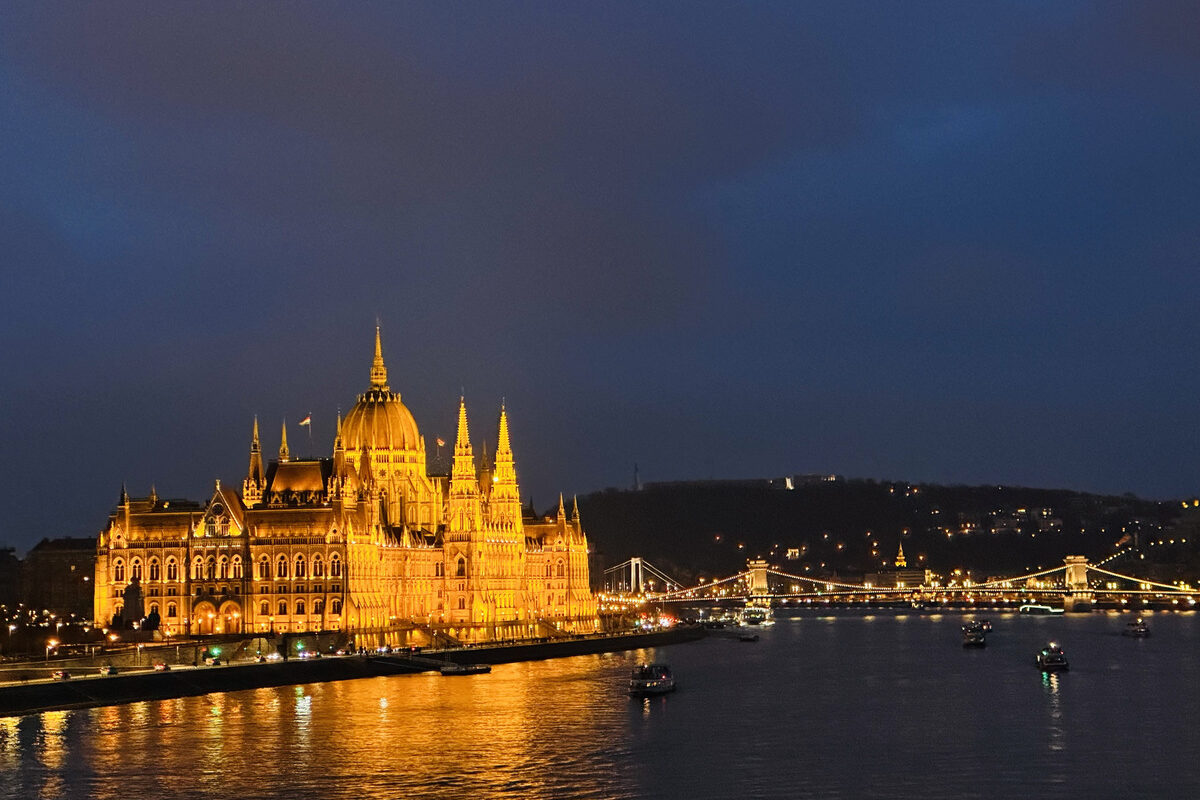
Overall, the best time to visit Budapest is during spring (April and May) and early autumn (September). During these times, the weather is pleasant (not too hot or too cold), and there are fewer crowds than during the peak seasons (summer and Christmas).
Spring and autumn are also shoulder seasons, so there aren’t as many tourists. The number of visitors has been increasing, but it’s still less crowded than during the peak tourist seasons.
Best for Budget Travelers
If you’re looking for more affordable prices, the cheapest time to visit Budapest is in January or February. It is low season in Budapest, so there are few tourists, and prices are at their lowest during this time.
Flight prices are usually lowest in January and February, and hotels also offer cheaper room rates. Last winter, when I went back home to Budapest, flight prices were much lower than they would have been during summer or Christmas.
Flight prices are generally lower across Europe during this time, and I even managed to get a cheap return flight from Budapest to London to visit my sister for a few days. International flights from outside Europe can also be cheaper, but you’ll usually find the best flight deals if you’re traveling within Europe using budget airlines like Wizz Air or Ryanair.
I got a return flight between Budapest and London for just US$60 in January. I bought the ticket last minute, and it was still a great deal. I could have gotten it even cheaper if I had booked it one or two months in advance, though.
The only downside to visiting Budapest in winter is that it gets very cold -2.7 to 2°C (27-36°F). So, make sure to pack warm clothes, especially layers that you can easily add or remove throughout the day.
Best for Festivals

Summer is the best time for festivals in Budapest! It’s packed with outdoor events, not just in Budapest but all over Hungary.
The most famous festival in Budapest is Sziget Festival, which is the largest music festival in Hungary. Sziget started in 1993 and has grown into one of the most popular festivals in Europe. It used to be one week long, but it has been reduced to five days in recent years. Before I moved away from Budapest, I used to go to Sziget almost every year, it’s so much fun!
Another major event in Budapest during summer is the fireworks on 20 August (St. Stephen’s Day). It celebrates the foundation of the Hungarian state, and the evening ends with fireworks over the River Danube. It’s pretty epic, and you can book a boat tour for the best views.
Other festivals in Hungary during the summer include Ozora Festival (a psychedelic festival), Balaton Sound (a music festival on the shores of Lake Balaton), and the Valley of Arts Festival (an arts and music festival).
Summer in Budapest is great for festivals and outdoor events, but it can also get very hot. In recent years, heatwaves have become more frequent, making it less enjoyable to be outdoors during the middle of the day. Still, I love summer in Budapest, you just have to plan your days around the heat. Start your day early, and take a break around lunchtime so that you’re not outdoors during the hottest part of the day. If you’re at festivals, use plenty of sunscreen and don’t forget to stay hydrated.
Best for Christmas Markets

I love Christmas in Budapest! The city is decorated with Christmas lights, there’s even a chance it might snow, and the Christmas markets get you into the full festive spirit. The Christmas markets in Budapest usually run from mid-November (around 14 or 15 November) until 31 December or 1 January every year.
The two most famous Christmas markets are the Vörösmarty Square Christmas Market and the St. Stephen’s Basilica Christmas Market. There are smaller Christmas markets all over the city as well.
When I was a kid, my family visited the Christmas markets every year. As I got older, I started going with my friends instead. In recent years, I haven’t always been home for Christmas, but whenever I am home in December, I love going with my mom.
The Christmas markets have lots of stalls selling food (traditional Hungarian dishes such as goulash soup, sausages, and chimney cake), drinks (mulled wine and Hungarian spirits), and handicrafts. The prices are higher than in regular shops or supermarkets, but grabbing a cup of mulled wine is all part of the experience.
Best Time for Snow

Budapest doesn’t get as much snow as it did 20–30 years ago, but there is still a chance of snowfall. I remember when I was a kid, we used to have loads of snow, even during Christmas, but that’s not the case anymore. In recent years, January and February had the highest chance of snow in Budapest.
Even in January and February, it usually only snows a little, and it tends to melt away quickly. It’s rare for it to snow heavily and stay snowy for several days. It can happen, but it’s uncommon. So, if you book your trip for January or February, don’t expect guaranteed snow.
Last winter, I was back home in Budapest, and we had the biggest snowfall in the last ten years. So, on rare occasions, it does snow heavily, but it’s more of a “once-in-a-decade” event now.
Budapest when it actually snows:
The Worst Time to Visit Budapest
Depending on your preferences, January and February (winter) and July and August (summer) can be the least ideal times to visit Budapest. January and February are cold and gloomy, while July and August are hot, crowded, and more expensive.
January-February: Worst Time if You Dislike Cold Weather

If you don’t like cold weather, the worst time to visit Budapest is during January and February. Snow isn’t guaranteed, and if there isn’t any snow, you’re left with a dark and gloomy city.
Budapest has very little sunshine during winter. Last winter, when I was home, we went more than a month without seeing the sun. It was cloudy and dark almost every day, and I found it really gloomy. There was hardly any sunlight during the day, and then it got completely dark by 4 pm. I spent the last few winters in Asia, where you still get plenty of sunshine even in winter, so the winter weather in Budapest was quite hard for me to adjust to.
In addition, winter is the coldest time of the year in Budapest. The average temperature is between -2.7 to 4.7°C (27–40°F) in January and February. In reality, it can get much colder than that, sometimes dropping to around -10°C (14°F).
January and February aren’t totally bad if you don’t mind the cold. The biggest advantages of visiting in winter are that it’s low season, so there aren’t many tourists, flights and hotels are cheaper, and there is also a small chance of seeing snow. If you can handle the cold, it’s actually a nice time to explore the city.
July-August: Worst Time if You Dislike Hot Weather and Crowds

July and August are the peak of summer. There are lots of outdoor events and festivals, which make it a fun time to visit, but they are also the hottest months of the year, with frequent heatwaves.
If you don’t like hot weather and crowds, I recommend avoiding Budapest in July and August. These months are also peak tourist season, so flights and hotels are at their most expensive.
If you’re planning to visit Budapest in the summer, it’s best to book your flights well in advance to get better prices than if you leave it until the last minute. It’s also worth booking your accommodation early, because the best hotels at reasonable prices tend to sell out quickly.
Budapest Weather by Season
Spring (March-May)
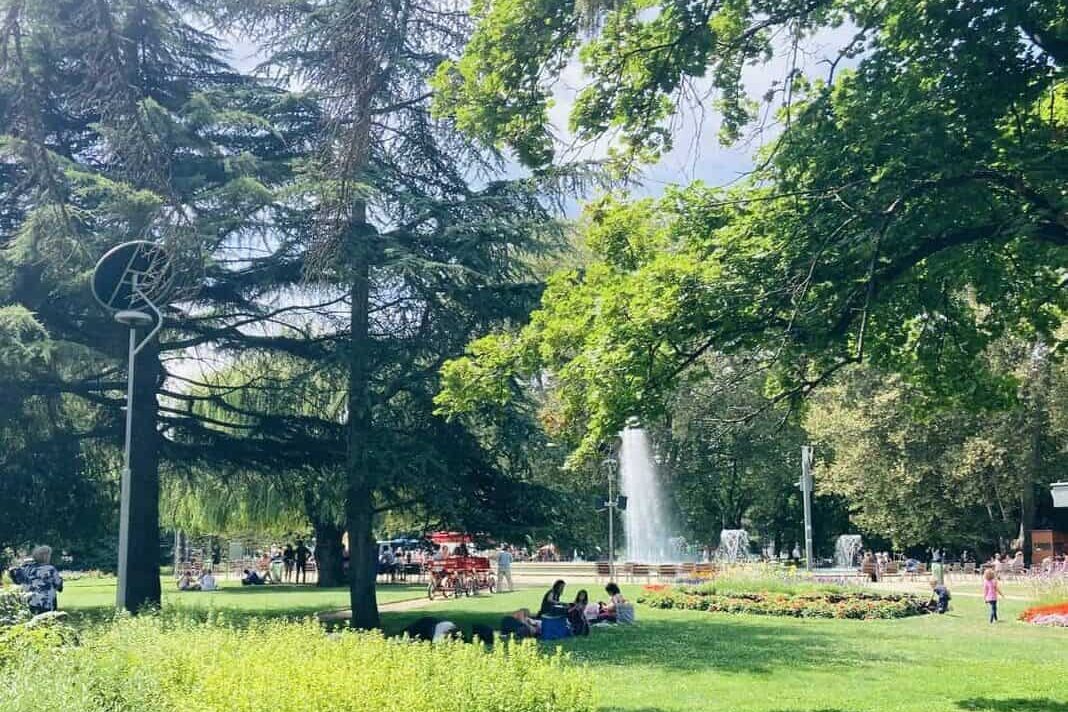
Spring is one of the best times to be in Budapest (or at least one of my favourite seasons). The weather starts warming up, but it isn’t too hot yet. The average temperature in spring is around 38–70°F (3.3–21°C), but in reality, April and May can get even warmer than that.
It’s shoulder season, so the city isn’t as crowded as it is during summer. If you want to avoid the summer tourist crowds, then spring is the perfect time to visit.
I love spring in Budapest because the flowers start to bloom, and the city looks so pretty. In April and May, the weather gets warm enough to spend time in parks and outdoor cafés. One of my favourite places in Budapest during spring is Margaret Island. Its flower gardens are at their prettiest during spring. The weather is also perfect for sightseeing and walking tours.
Summer (June-August)

Summer is one of the most fun times to be in Budapest, but it is also peak season, when most tourists visit the city. The weather is warm, there are lots of outdoor events, and the days are long.
Visiting Budapest in summer has both pros and cons, and whether it’s the right time for you depends on your travel style.
The pros of visiting Budapest in summer are that there are lots of things to do. It’s great for festivals, outdoor events, or simply relaxing by the Danube. Several major events take place during summer, including Sziget Festival, the 20 August fireworks, and it’s also the best time to take a trip to Lake Balaton.
On the other hand, Budapest becomes very busy, experiences frequent heatwaves, and prices are at their highest. Flights and hotels are more expensive than during spring or autumn. If you want to avoid the crowds, I wouldn’t recommend visiting during summer.
Autumn (September-November)
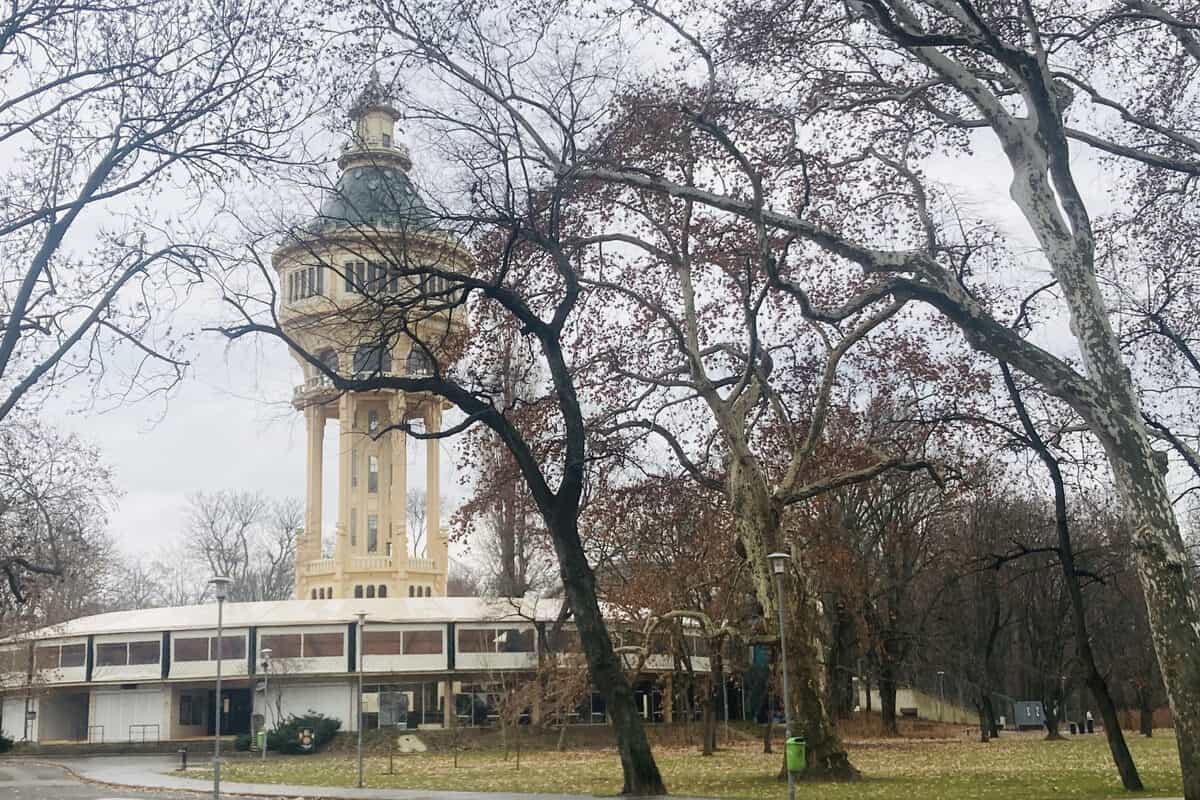
Autumn is another great time to visit Budapest if you’re looking for fewer crowds, lower prices, and pleasant weather. September is my top recommendation, as the weather is still warm, and the crowds are smaller.
The weather starts to cool down in October, but it’s still comfortable enough to spend time outside. Usually, all you’ll need is a light jacket. I love October because of the fall foliage across the city. The leaves turn yellow, orange, and red, and Budapest looks beautiful.
November can get quite cold as it is the run-up to winter. If you visit in November, bring warm clothes that you can wear in layers, as it gets chilly, especially in the evenings. The Christmas markets open from mid-November, so you can enjoy the festive atmosphere before the biggest Christmas crowds arrive.
Winter (December-February)
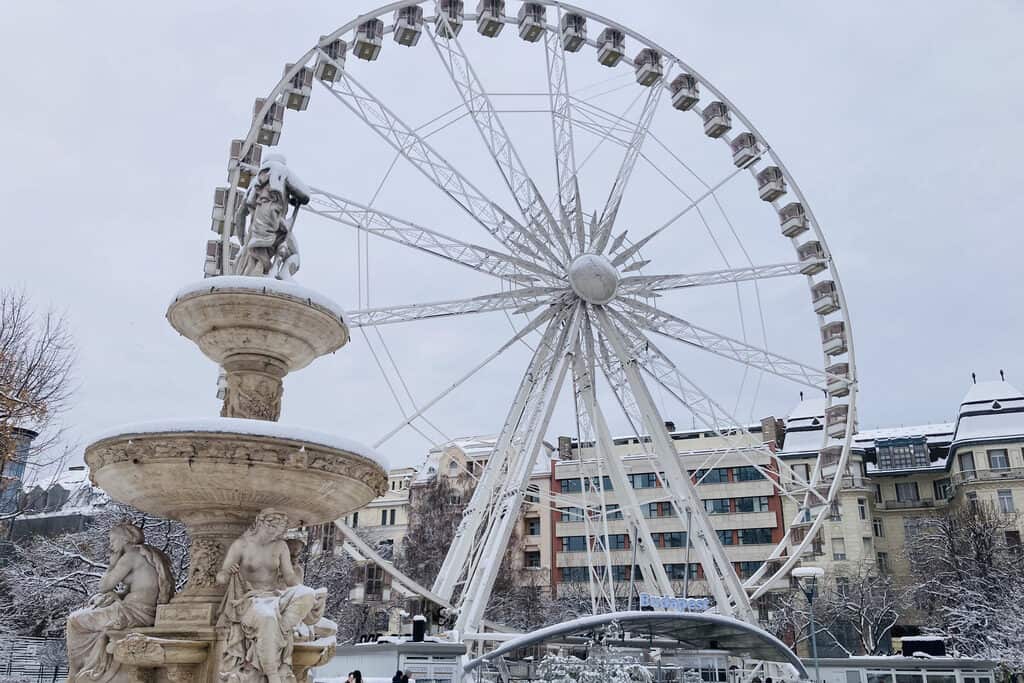
Winter in Budapest can either be a magical snowy winter wonderland or three months of cold and gloomy weather.
December is high season because of the Christmas holidays. There are lots of visitors during Christmas and New Year’s. It’s a great time for Christmas markets, ice skating, and thermal baths, and if you’re lucky, it might even snow. However, the holiday season is one of the most expensive times to visit Budapest (along with summer). Flights and hotels are expensive, so it’s worth booking well in advance.
After the holidays, the city becomes much quieter in January and February. It’s cold and dark, but it’s a good time to visit if you don’t mind the cold, want lower prices, and prefer to avoid the crowds.
Budapest gets cold in winter, but you can still explore the city just like you would at any other time of year. One of my favourite winter activities is visiting the thermal baths. Sitting in the warm thermal pools while it’s freezing outside is such a unique experience.
Frequently Asked Questions
What month is best for Budapest?
It depends on your preferences and whether you prefer warmer or colder weather. In my opinion, April, May, and September are the best months to visit Budapest. The weather is pleasant, but not too hot, and there are fewer crowds than during summer.
What is the cheapest time to visit Budapest?
The cheapest time to visit Budapest is in January and February. It’s low season in Budapest, so you’ll usually find the cheapest flights and the best hotel deals during this time. Just pack warm clothes for the cold weather, and it’s a great time for a budget-friendly holiday.
Is Budapest expensive during the summer?
Yes, Budapest is one of the most expensive during the summer. The flights are expensive to Budapest during summer, and the hotels are also expensive. In low seasons (spring, autumn), you can get some flight and hotel deals, but not in the summer. Another expensive time to visit Budapest is during Christmas.
How many days do you need in Budapest?
You need at least around three days in Budapest. Three days in Budapest is enough to explore the most famous and fun places in Budapest. In three days, you can visit all the major historic places like the Parliament, Buda Castle, and Fisherman’s Bastion, chill in the thermal baths, and go on a river cruise.
When to Visit Budapest (My Recommendation)
Whenever my friends want to visit Budapest, they always ask me when the best time is to go. If I could choose just one time to show someone my hometown, it would be April, May or September.
In autumn and spring, the weather is perfect for exploring the city, spending time in the parks, going on walking tours, chilling by the River Danube, or taking a day trip. The prices are also lower than during peak seasons (summer and Christmas).
Even if summer and Christmas are crowded and more expensive, they are still a great time to visit. In fact, I love the city in summer and at Christmas too! It may be busy, but there is so much to do in the city. If you hate crowds, then avoid these times in Budapest, but if you don’t mind them, then you’ll have a good time.
➡️ Book an Evening Cruise on the Danube: the best thing to do in Budapest at any time of the year! The city looks stunning from the river (you get a totally different view than as if you were exploring the city on foot)!
Pin This Post for Later!